- 10 2nd Avenue Houghton estate
- Avalon Springs
- Bilene Club Lodge
- Blue Marlin All-Inclusive Seascape
- Burchell's Bush Lodge
- Finfoot Lake Reserve
- Ghoha Hills
- Hartenbos Lagoon Resort
- Highland Run
- Jackalberry Ridge
- Jozini Tiger Lodge & Spa
- Le Franschhoek Hotel & Spa
- Little Switzerland Resort
- Madikwe River Lodge
- Malkoha Lake St. Lucia
- Mjejane Bush Camp
- Mount Savannah
- Nogatsaa Pans
- Oaklands on the Knoll
- Olifants River Lodge
- Piekenierskloof Mountain Resort
- Stonehill River Lodge
- The Peninsula All-Suite Hotel
- Zimbali Lodge
- Home
- Accommodation
- Facilities
- Activities
- Packaged Experiences
- Enquire
- Contact Us
Address:
Chobe National Park, Botswana
T: +27 (0)11 267 8501 | +27 (0)63 613 9144
E: reservations@ghohahills.com
Central Reservations:
+27 (0)861 010 347






WHERE THE PANS MEET
THE ENDLESS PLAINS
A timeless safari experience in the remote heart of Chobe National Park
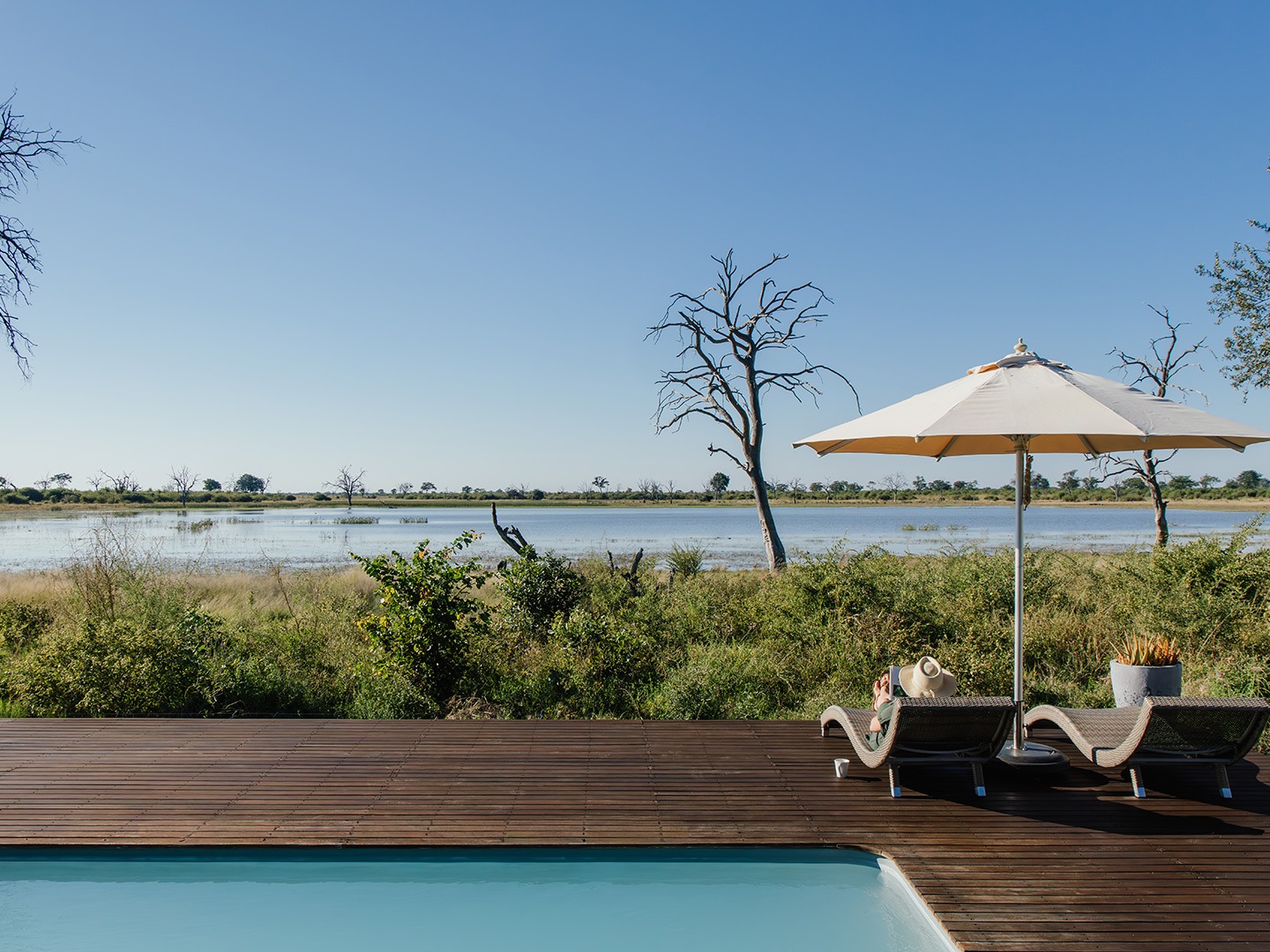
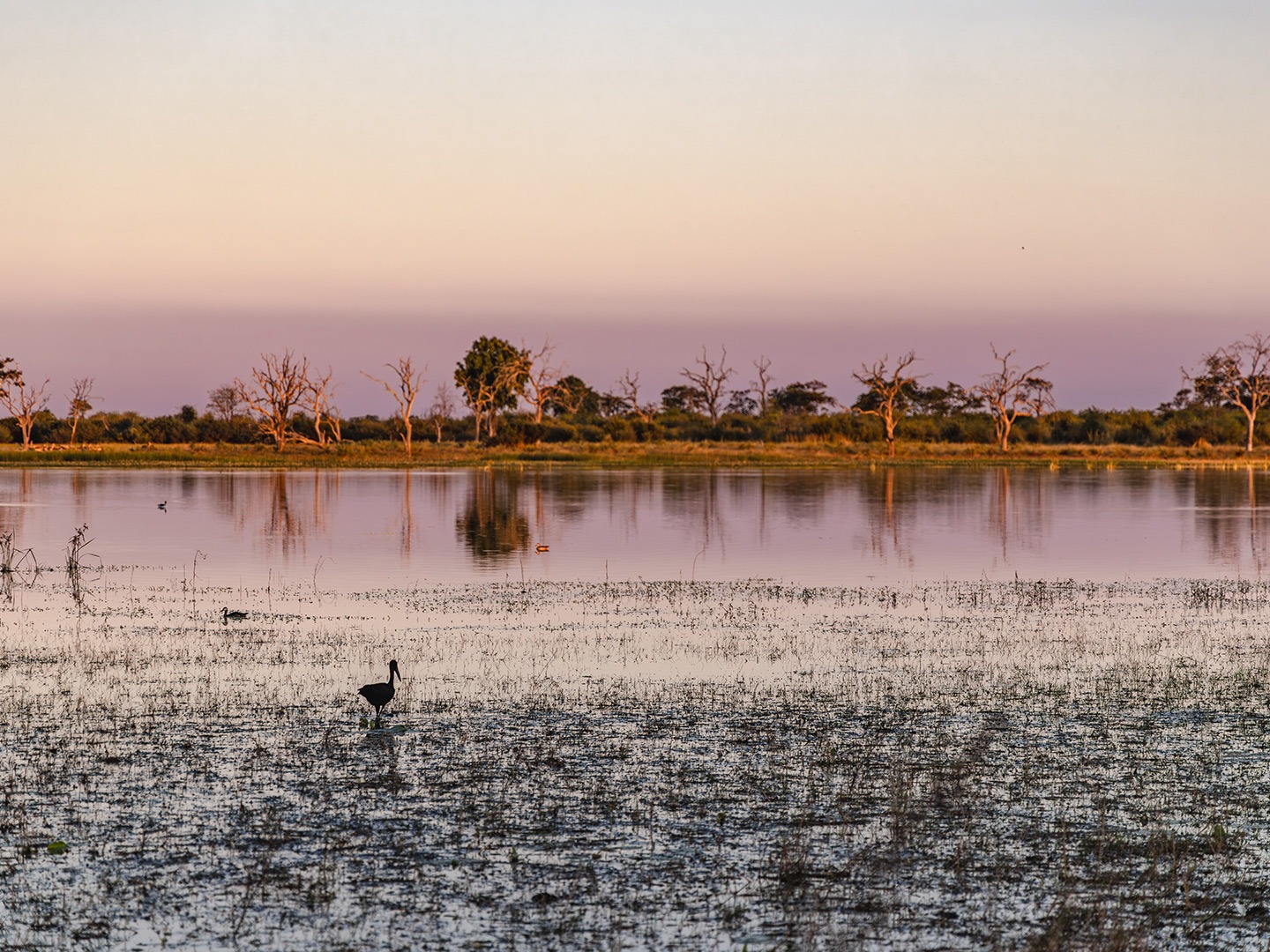
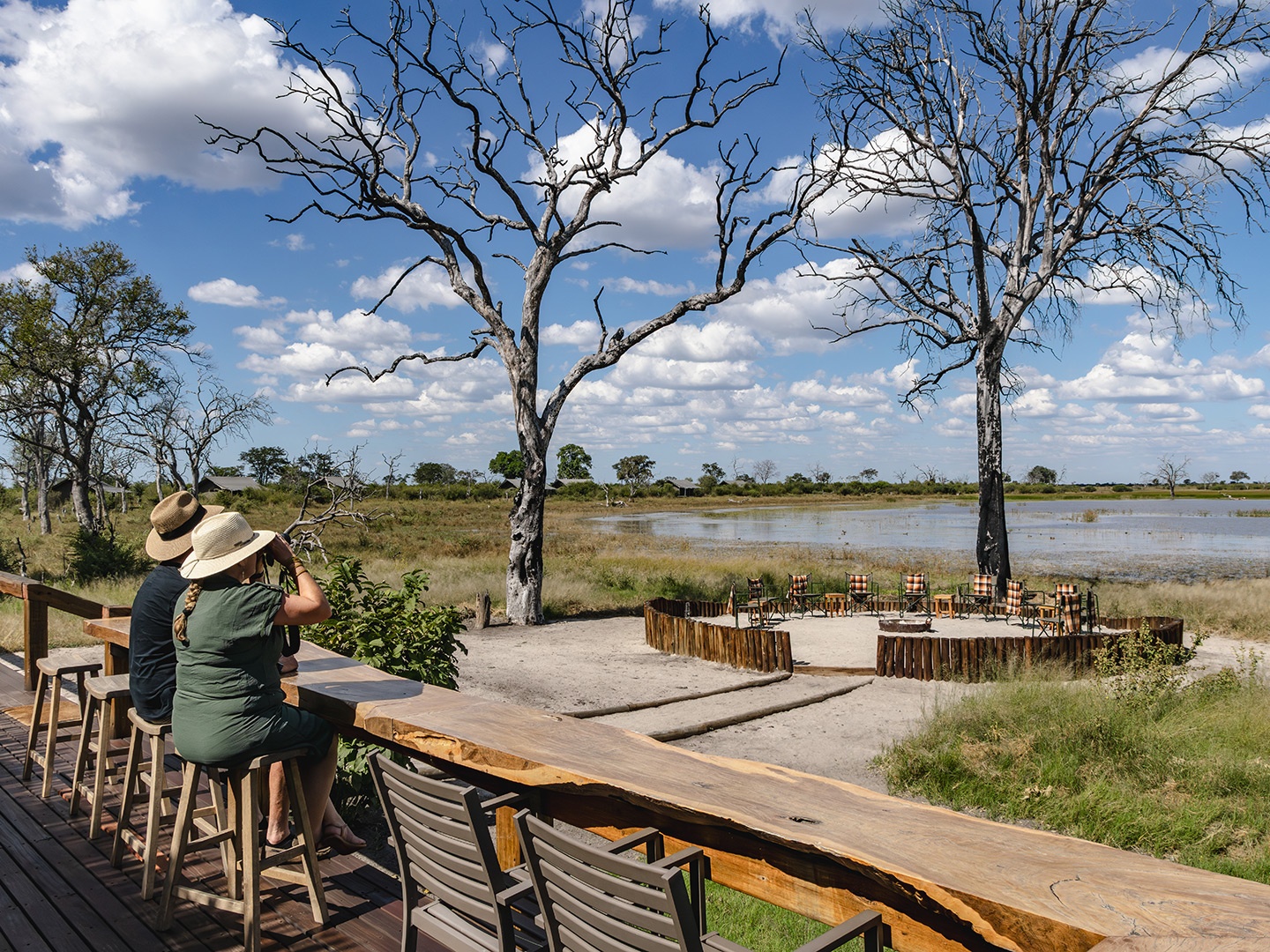
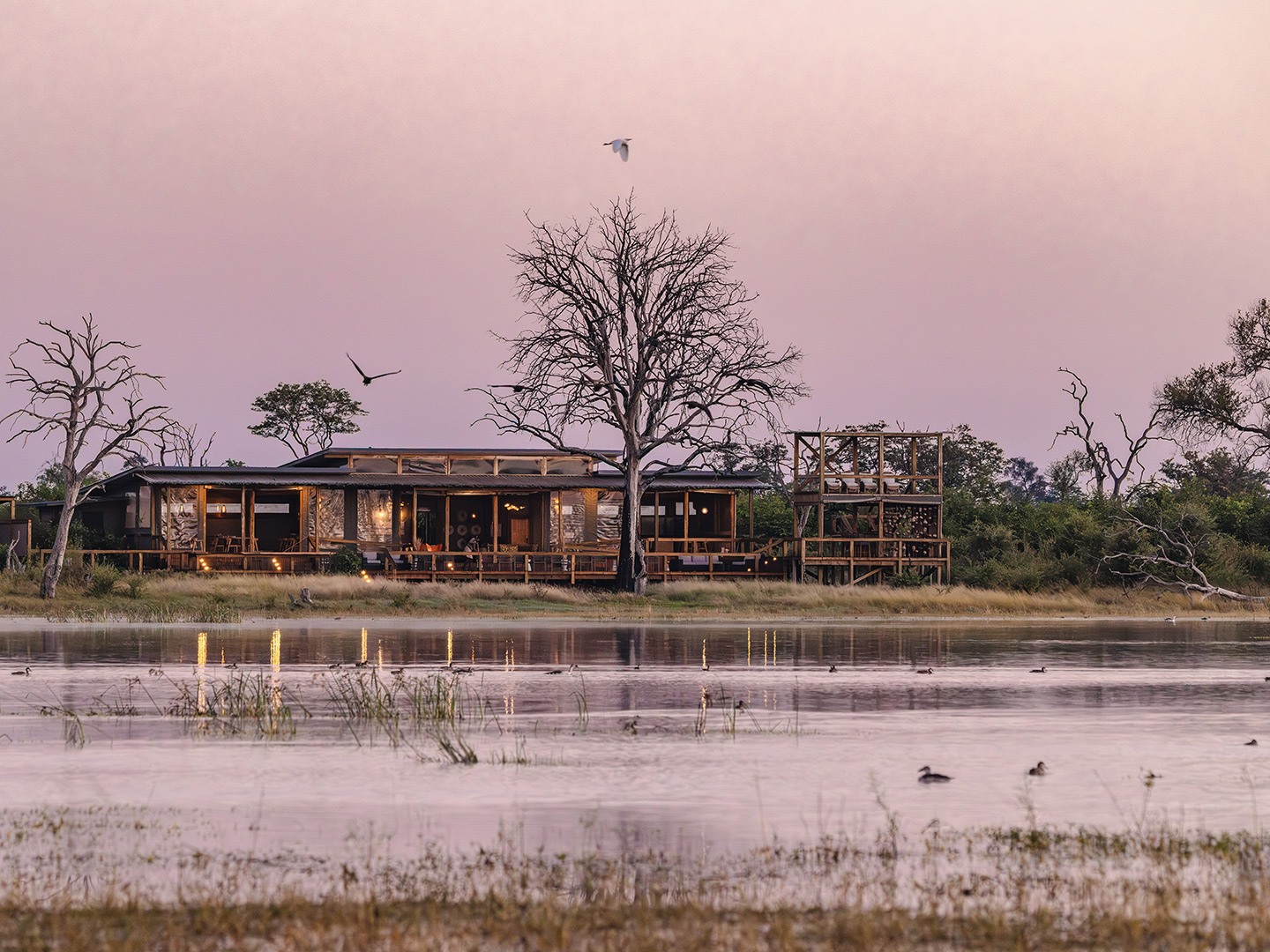
Set deep within the eastern reaches of Chobe National Park, Nogatsaa Pans Chobe Lodge offers a safari shaped by space, silence, and sweeping horizons. Built on the edge of Kwikamba Pan, the largest of many clay-bottom pans in the region, the lodge looks out across open grasslands and waterholes where wildlife gathers throughout the seasons.
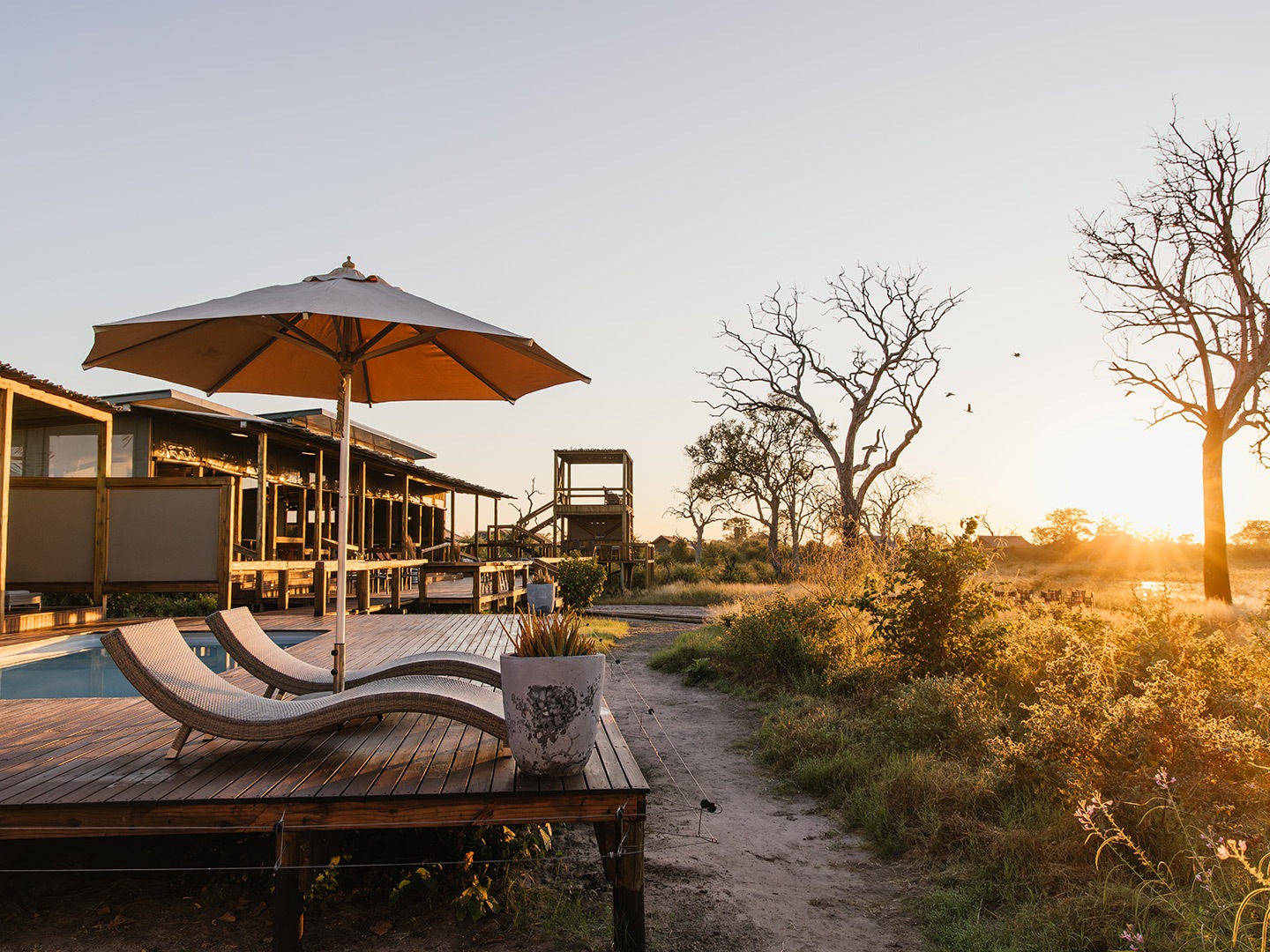
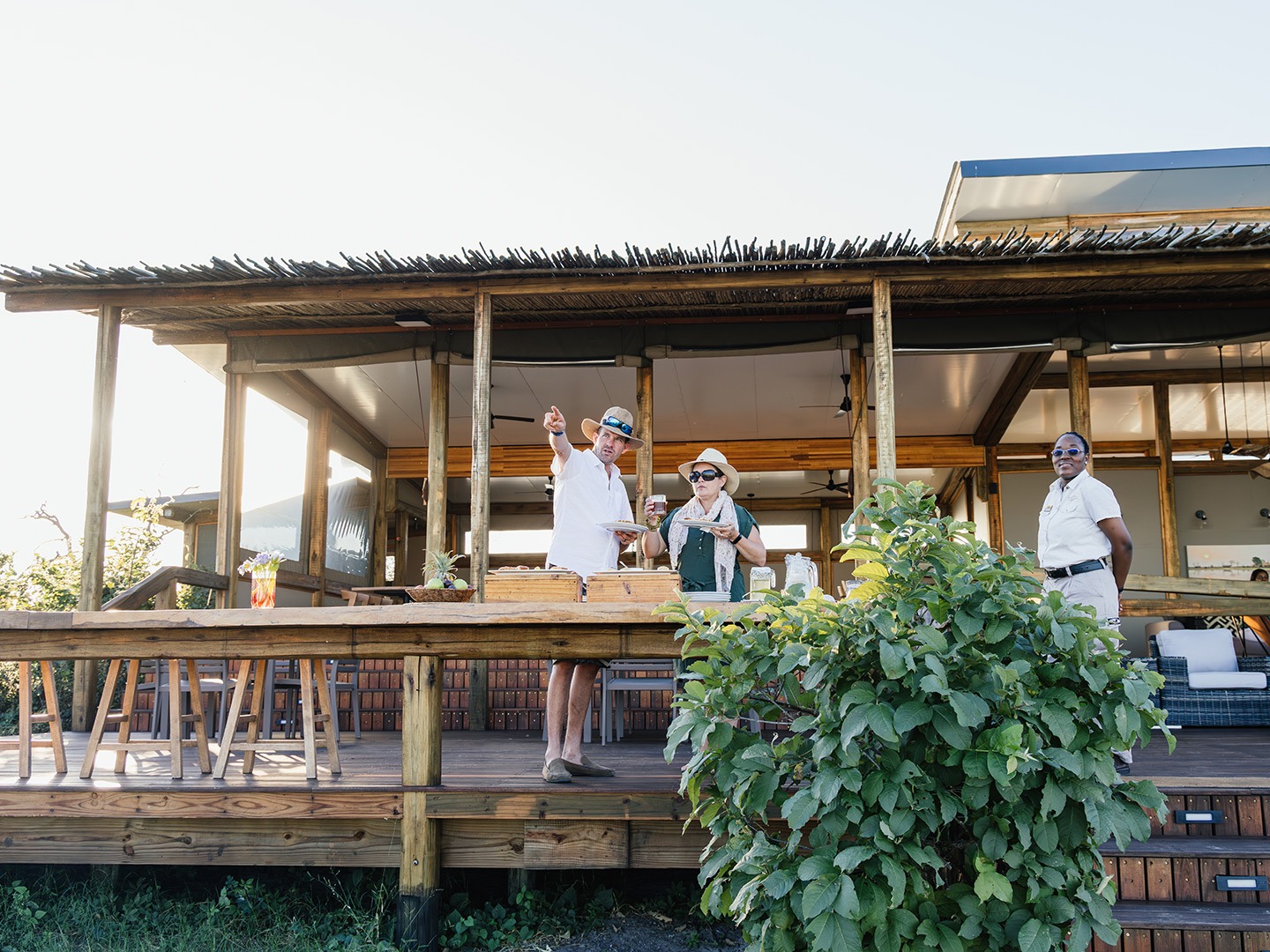
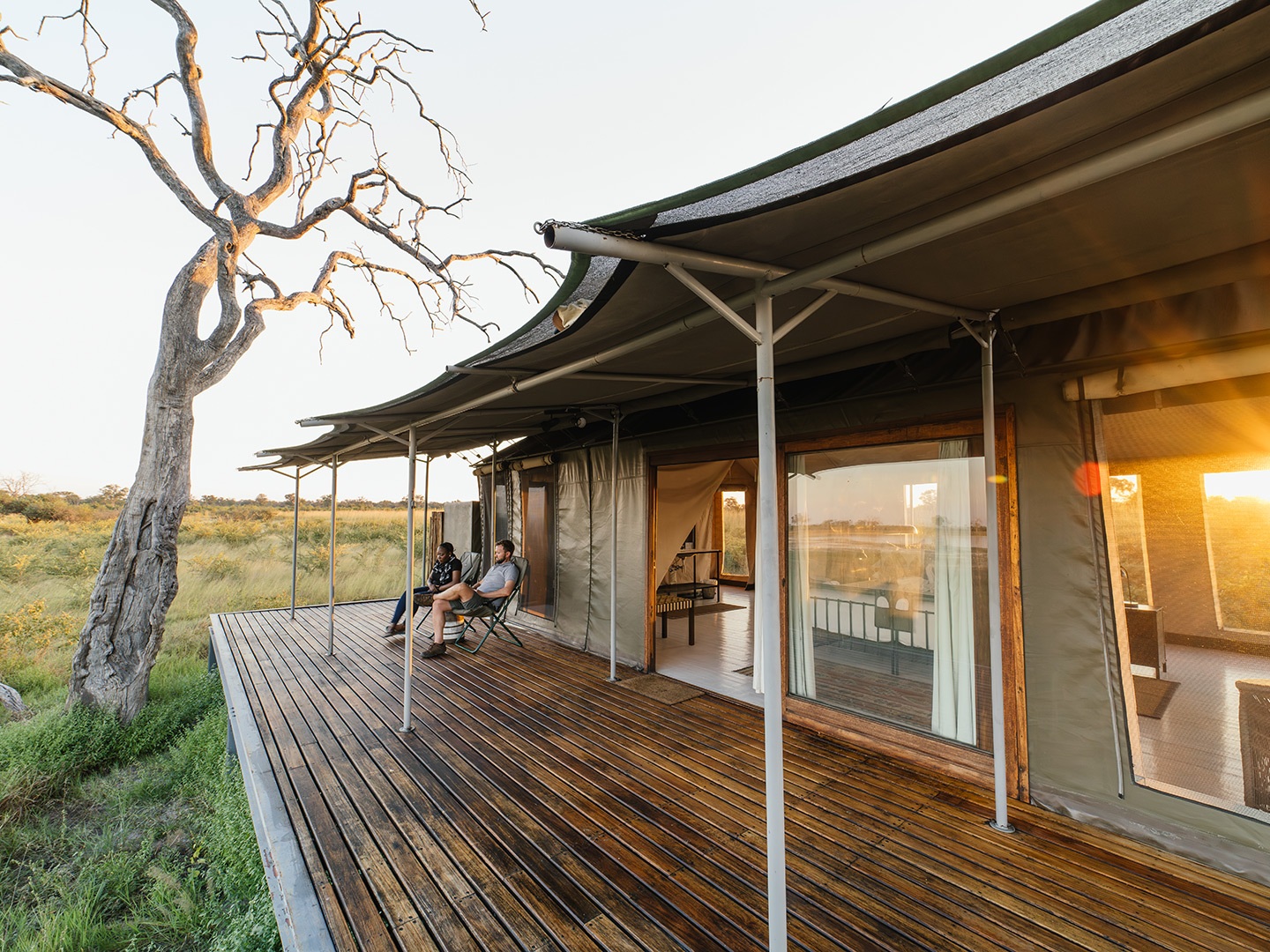
This is a safari reminiscent of an earlier era, where the landscape takes the lead and time slows naturally. The region remains remote and largely untouched, allowing guests to experience Chobe in its raw, authentic state. Elevated tented suites and open communal spaces are positioned to maximise views and immersion, creating a constant connection to the environment.
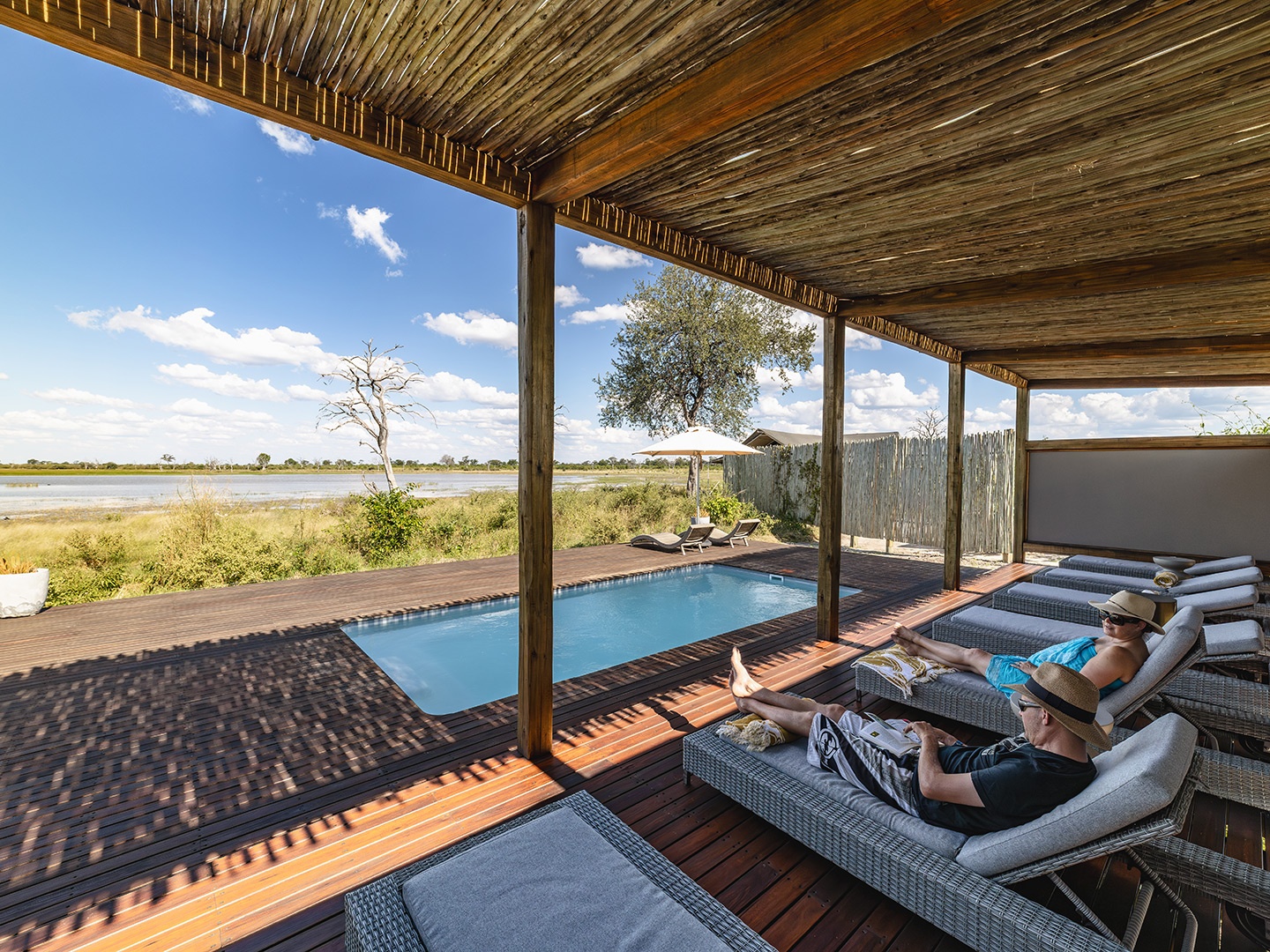
Days at Nogatsaa Pans unfold gently, guided by the rhythms of the bush rather than the clock. Mornings begin with game drives across a diverse network of roads winding through teak forests, ancient riverbeds, and open pans. Afternoons invite rest and reflection, whether spent watching wildlife from the lodge, enjoying a swim, or simply listening to the sounds of the surrounding wilderness.
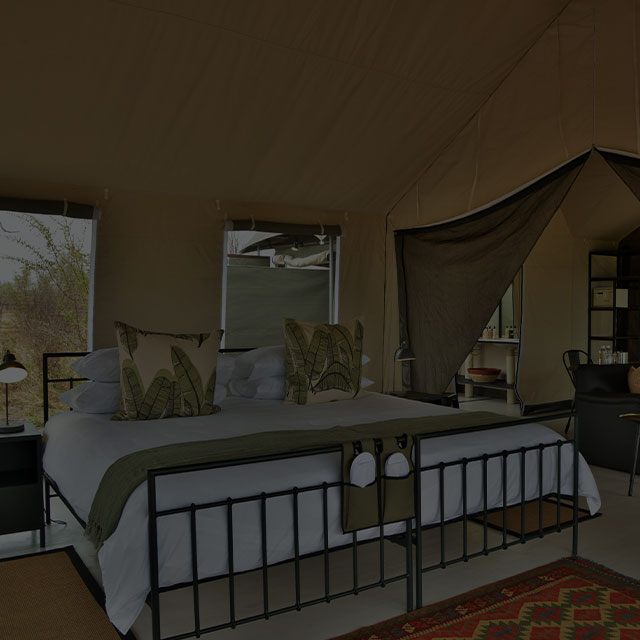
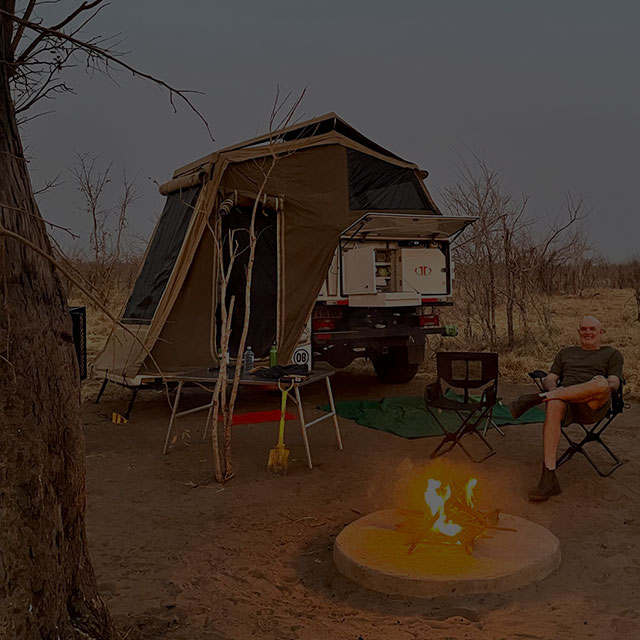
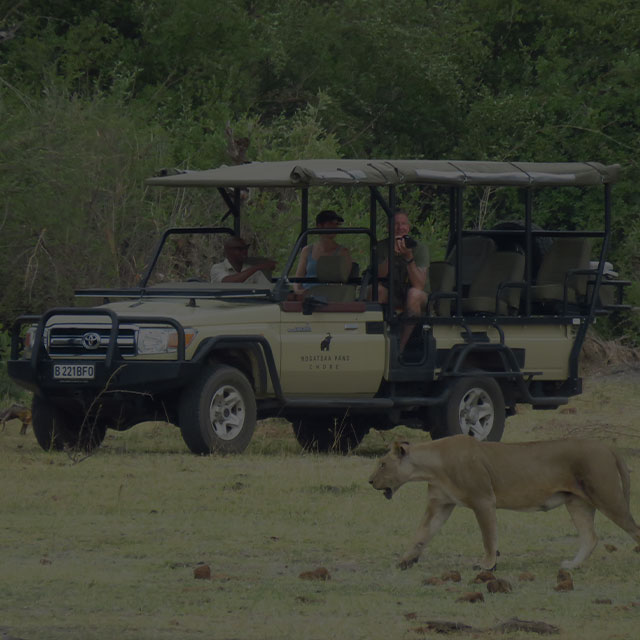
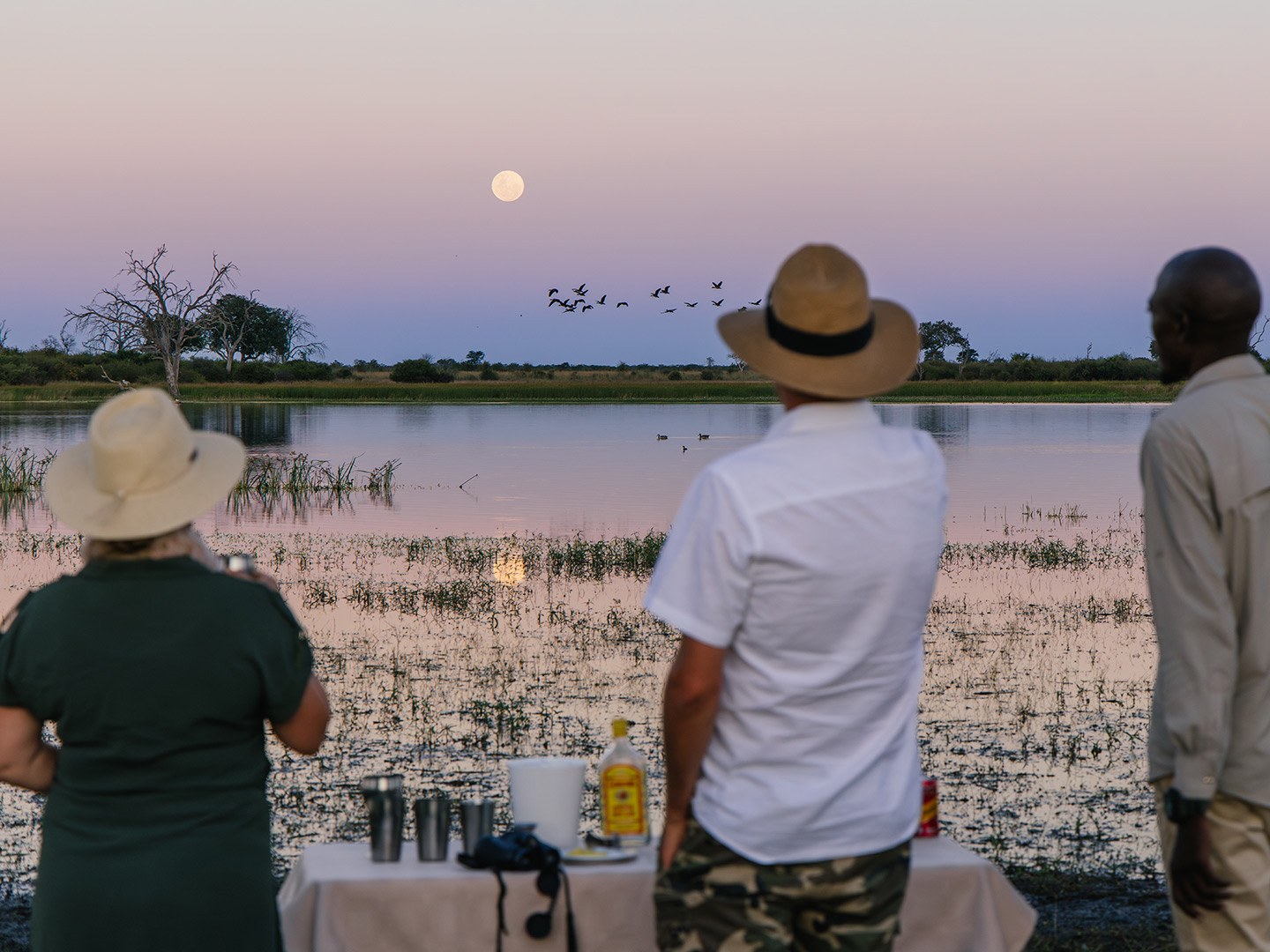
As the sun lowers, the experience shifts once more. Sundowners overlooking the pans, expansive starlit skies, and shared stories around the fire define evenings at Nogatsaa Pans, creating moments that feel both grounding and unforgettable.
Nogatsaa Pans Chobe Lodge operates with Eco Tourism certification and a strong commitment to sustainability. Solar power and responsible waste management systems support low-impact operations, ensuring the surrounding wilderness remains protected for generations to come.
Despite its remote setting, the lodge remains comfortably accessible, allowing guests to experience a truly wild corner of Chobe without compromising on thoughtful planning and care.
Plan Your Journey
Essential Travel Information
The following information is provided to help guests prepare comfortably and confidently for their safari experience at Nogatsaa Pans.
Location
Nogatsaa Pans Chobe Lodge is built on the edge of Kwikamba Pan in the Nogatsaa area of Chobe National Park, located in the eastern part of the park, approximately 80 km from Kasane.
GPS Coordinates
How to Get There
By 4x4 Vehicle
Road transfers from Kasane Airport take approximately two hours and travel through sections of Chobe National Park, local villages, and varied 4x4 terrain. Transfers can be pre-booked at the time of reservation.
By Light Aircraft
Nogatsaa Pans has a dedicated airstrip located approximately eight minutes from the lodge. Mack Air connects this remote region of Chobe into a scenic flight circuit, offering access to one of Botswana’s most untouched safari areas.
- Approx. 15 minutes from Kasane
- Approx. 50 minutes from Maun
- Intercamp flights between Nogatsaa Pans and Ghoha Hills take approximately 20 minutes
By Helicopter
- Kasane Airport to Nogatsaa Pans: approximately 24 minutes
- Nogatsaa Pans to Ghoha Hills: approximately 30 minutes
Luggage Restrictions
Personal baggage is limited to a maximum of 20 kg per person, including hand luggage. Soft-sided duffel bags are required for all air transfers.
Weather
The Chobe region experiences two distinct seasons.
- Summer (November to April): Hot and wet, with daytime temperatures averaging around 35°C
- Winter (May to September): Dry and mild days, with cold mornings and evenings
Humidity levels in Chobe remain low throughout the year.
Malaria
Malaria is prevalent during the mid to late rainy season from January to May. Guests are advised to consult their local GP regarding malaria prophylaxis prior to travel.
Precautionary measures include:
- Using insect repellent
- Sleeping under mosquito nets
- Wearing light, long-sleeved clothing during the day
What to Pack
- Cool cotton clothing for summer months
- Comfortable walking shoes
- Sun hat, sunglasses, and sunblock
- Camera equipment, binoculars, and extra SD cards
- Light, neutral-coloured clothing
- Bathing suit
- Warm jackets for winter months (May to October)
- Beanie and gloves for cold winter mornings